
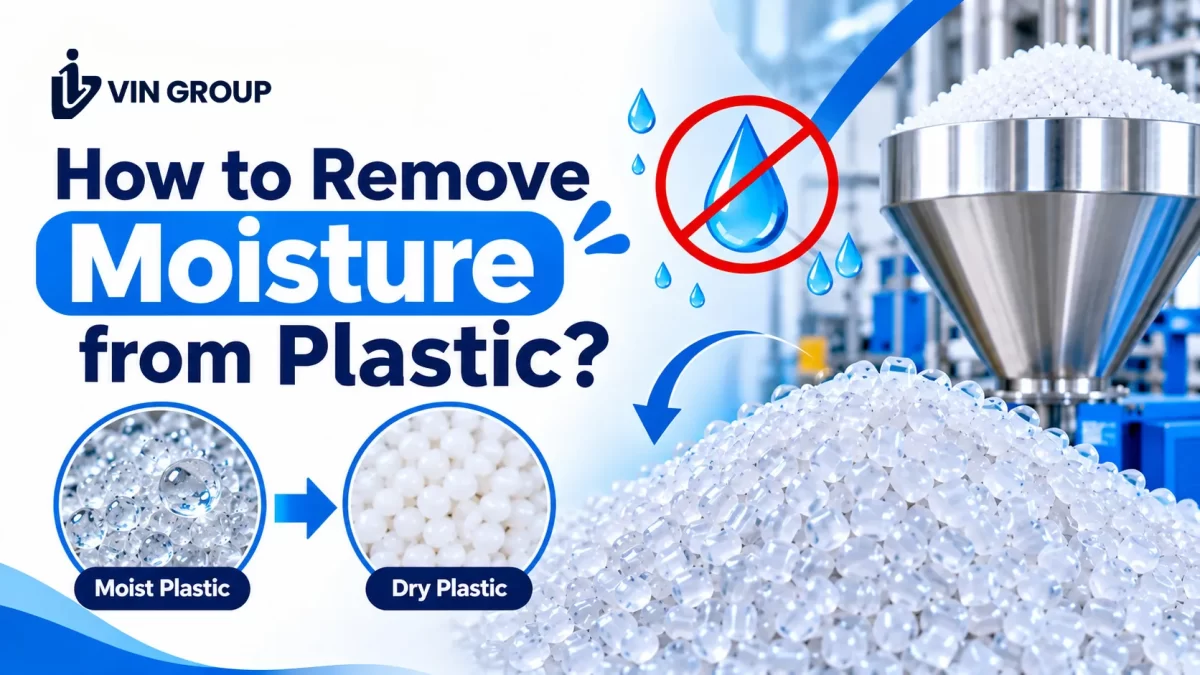
How to Remove Moisture from Plastic: A Complete Guide by Vin Group
Plastic materials are widely used across industries due to their versatility, durability, and cost-effectiveness. However, one of the most overlooked yet critical challenges in plastic processing is moisture contamination. Excess moisture in plastic materials can affect product quality, manufacturing efficiency, and final performance. Understanding how to remove moisture from plastic is essential for maintaining product consistency and preventing costly defects.
At Vin Group, we understand the importance of maintaining premium-quality plastic processing standards. Whether you are dealing with industrial plastic granules or household plastic products, proper moisture control helps preserve strength, appearance, and functionality.
In this detailed guide, we will explore effective moisture removal methods, common causes of moisture retention, and practical ways to maintain plastic quality.
Why Does Plastic Absorb Moisture?
Plastic materials often absorb moisture during manufacturing, storage, transportation, or exposure to humid environments. Hygroscopic plastics, such as nylon, PET, and polycarbonate, are especially prone to moisture absorption.
Moisture trapped inside plastics can lead to several manufacturing issues, including:
- Surface defects
- Bubble formation
- Weak product strength
- Discoloration
- Poor finishing quality
For manufacturers and processors, understanding how to remove moisture from plastic granules is crucial to ensure smooth production and better product outcomes.
How to Remove Moisture from Plastic?
The process of removing moisture depends on the type of plastic and the amount of water absorbed. Several techniques can help restore plastic quality effectively.
1. Plastic Drying Systems
Industrial drying systems are among the most effective methods for removing moisture from plastic. Dehumidifying dryers and hot air dryers are commonly used to eliminate water content before processing.
These systems use controlled heat and airflow to reduce internal moisture levels, making the plastic suitable for molding or extrusion.
2. Heat Drying Method
Applying moderate heat is one of the simplest ways to dry plastic. Controlled temperatures help evaporate trapped moisture without damaging the material structure.
However, overheating should be avoided because excessive heat can warp or weaken the plastic.
3. Dehumidification Process
Dehumidifiers are particularly useful in industrial settings. They lower humidity around stored plastic materials, preventing moisture absorption before production begins.
This method is especially helpful when businesses want to know how to remove moisture from plastic granules while maintaining production efficiency.
4. Proper Storage Techniques
Prevention is equally important as treatment. Plastic materials should be stored in dry, sealed environments to reduce exposure to moisture.
Using moisture-resistant packaging and temperature-controlled warehouses can significantly improve product quality.
How to Dry Out Plastic?
If plastic becomes wet or absorbs moisture, drying it properly is essential to prevent long-term damage.
Here are some effective ways to dry out plastic:
Use Warm Air
Placing plastic under warm circulating air helps evaporate moisture quickly. This method works well for smaller plastic products and industrial components.
Sun Drying for Outdoor Plastics
For larger plastic objects, sun drying may be useful. However, prolonged UV exposure should be avoided because sunlight can contribute to oxidation and fading.
Industrial Dryers
Manufacturing industries often use specialized drying equipment for consistent moisture removal. These systems ensure even drying and reduce the risk of defects.
When businesses search for how to remove water from plastic, professional drying methods often provide the most reliable results.
Can Moisture Damage Plastic?
Yes, moisture can significantly damage plastic over time. Water exposure may affect both the structural and aesthetic quality of plastic products.
Common issues caused by moisture include:
Weak Structural Integrity
Excess moisture weakens molecular bonds in some plastics, making products less durable.
Surface Imperfections
Water trapped inside plastic may create bubbles, streaks, or rough textures during processing.
Internal Defects and Reduction in Mechanical Properties
Moisture can affect plastic internally during manufacturing, particularly when hygroscopic polymers absorb water before processing. When these materials are heated, moisture can vaporize and create pinholes, bubbles, and internal voids in finished products.
In moisture-sensitive plastics such as PET and nylon, excess moisture combined with high processing temperatures can also cause hydrolysis, breaking polymer chains and reducing molecular weight. This can lower tensile strength, impact resistance, and overall mechanical performance, making components more susceptible to cracking or premature failure.
Moisture absorption can also cause dimensional changes in certain plastics, affecting product stability and component fit. Proper material drying, moisture monitoring, and controlled storage help minimize these defects and maintain consistent manufacturing quality.
What Kills Moisture?
Removing or “killing” moisture means eliminating excess humidity and water retention from surfaces or materials.
Several methods are highly effective:
Desiccants
Silica gel and industrial desiccants absorb moisture effectively and are commonly used in packaging.
Heat Treatment
Heat removes moisture by evaporating trapped water molecules from the plastic surface and inner layers.
Air Circulation
Proper ventilation reduces humidity buildup and helps keep plastic dry.
Dehumidifiers
Industrial dehumidifiers provide long-term moisture control in manufacturing and storage facilities.
For industrial plastic handling, combining drying systems with humidity control produces the best results.
How Does Moisture Affect Plastic and Rubber Manufacturing?
Moisture management plays an important role in maintaining product quality across the plastic and rubber manufacturing industries. Excess moisture in raw materials can affect processing conditions, production efficiency, and the physical properties of finished products. Understanding these effects helps manufacturers select appropriate drying methods and maintain consistent production standards.
Moisture-Related Defects in Plastic Processing
In plastic manufacturing, moisture present in hygroscopic polymers can create defects during melting and molding. When wet materials are heated, moisture may form vapor, resulting in bubbles, surface imperfections, and inconsistent finishes. Certain polymers, including nylon, PET, and polycarbonate, may also undergo hydrolytic degradation during processing if their moisture content is too high.
Pre-drying materials according to the manufacturer’s specifications helps reduce these risks. Manufacturers should monitor drying temperature, drying duration, and moisture levels to ensure that materials are ready for processing.
Moisture Control in Rubber Manufacturing
Rubber manufacturing also requires careful control of moisture, particularly during the preparation of rubber compounds and the production of molded components. Excess moisture in raw materials, fillers, or other ingredients can interfere with processing and contribute to porosity, surface defects, or inconsistent product quality in certain applications.
The impact depends on the rubber formulation, curing system, and manufacturing process. Appropriate raw-material storage, controlled handling, and suitable drying procedures can help minimize moisture-related problems.
Maintaining Consistent Production Quality
A reliable moisture-control process begins with identifying the moisture sensitivity of each material. Manufacturers can establish suitable drying procedures, monitor environmental humidity, and inspect finished products for defects. These measures help improve process consistency, reduce material waste, and support reliable production outcomes across plastic and rubber applications.
Industrial Moisture Removal Methods for Plastic and Rubber Materials
Choosing the right moisture-removal method depends on the material composition, moisture content, production requirements, and intended application. Industrial manufacturers use different drying and humidity-control techniques to maintain material quality before and during processing.
Desiccant Dryers for Moisture-Sensitive Plastics
Desiccant dryers are widely used for hygroscopic plastics that absorb moisture from the surrounding air. These systems pass heated, dry air through plastic granules to reduce their moisture content before molding or extrusion. They are particularly useful for materials such as nylon, PET, and polycarbonate, which may require thorough drying before processing.
Manufacturers should follow the recommended drying conditions for each polymer rather than relying on a universal temperature or drying duration.
Hot Air Dryers for Suitable Plastic Materials
Hot air dryers circulate heated air through plastic materials to remove surface moisture and, where appropriate, moisture within the material. They are suitable for certain non-hygroscopic plastics and applications where surface drying is the primary requirement.
However, hot air drying may not adequately dry hygroscopic polymers when moisture has penetrated their internal structure. Selecting the correct equipment is therefore essential for achieving the required moisture levels.
Controlled Drying and Storage for Rubber Compounds
Rubber materials and compounds require drying and storage procedures suited to their specific formulations. Where the process permits, controlled airflow and suitable temperature conditions can help remove unwanted moisture from raw materials or components.
Rubber compounds should not be exposed to uncontrolled heat because excessive temperatures can affect their processing characteristics or initiate unwanted changes in the material. Manufacturers should follow supplier guidance and process-specific requirements when establishing drying procedures.
Monitoring Moisture Levels Before Processing
Drying equipment alone does not guarantee consistent results. Manufacturers should verify moisture levels using appropriate measurement methods, monitor dryer performance, and protect dried materials from reabsorbing moisture during storage and transfer.
Sealed containers, suitable packaging, and controlled storage environments help maintain material condition between drying and processing. Combining effective drying with regular monitoring supports more consistent manufacturing quality and reduces the likelihood of moisture-related defects.
Best Practices to Prevent Moisture in Plastic
Preventing moisture problems is easier than fixing them later. Here are some effective prevention tips:
- Store plastics in dry environments
- Use sealed containers or packaging
- Install humidity control systems
- Dry plastic granules before processing
- Avoid prolonged water exposure
Businesses working with industrial plastics should prioritize drying systems for better product consistency and manufacturing performance.
Conclusion
Proper moisture control is essential for maintaining the quality, strength, and performance of plastic products throughout manufacturing and storage. By using the right drying methods, storage practices, and moisture management techniques, businesses can minimize defects, improve production efficiency, and extend the lifespan of their plastic materials.
At Vin Group, we are committed to helping businesses achieve consistent, high-quality plastic processing with reliable solutions and industry expertise. Whether you need guidance on moisture control, plastic handling, or quality-focused manufacturing practices, our team is here to support your operations with dependable products and solutions tailored to your needs.
FAQs:
1. How do you remove moisture from plastic?
You can remove moisture from plastic using hot air dryers, dehumidifying dryers, controlled heat, and industrial desiccants. The right method depends on the type of plastic and its moisture content.
2. Why does plastic absorb moisture?
Plastic can absorb moisture during storage, transportation, manufacturing, or exposure to humid environments. Hygroscopic plastics such as nylon, PET, and polycarbonate are especially prone to moisture absorption.
3. How do you remove moisture from plastic granules?
Plastic granules can be dried using industrial drying systems, particularly desiccant dryers for moisture-sensitive materials. Always follow the recommended drying conditions for the specific polymer.
4. Can moisture damage plastic products?
Yes. Excess moisture can cause bubbles, surface imperfections, discoloration, internal voids, and reduced mechanical strength during plastic processing.
5. What is the best dryer for plastic granules?
Desiccant dryers are commonly used for hygroscopic plastics such as nylon, PET, and polycarbonate. Hot air dryers are suitable for certain materials where surface moisture removal is sufficient.
6. Can sunlight remove moisture from plastic?
Sunlight can help dry larger plastic objects. However, prolonged exposure should be avoided because UV radiation may cause fading and oxidation.
7. What are the common signs of moisture in plastic?
Common signs include bubbles, pinholes, streaks, rough surfaces, discoloration, and inconsistent product quality during manufacturing.
8. How can manufacturers prevent moisture absorption in plastic?
Manufacturers can prevent moisture absorption by storing plastic in sealed packaging, maintaining dry storage conditions, controlling humidity, and drying granules before processing.
9. What is the role of desiccants in moisture removal?
Desiccants such as silica gel and industrial moisture absorbers help absorb excess moisture. They are commonly used in packaging and moisture-control applications.
10. How can moisture levels in plastic be monitored before processing?
Manufacturers can use suitable moisture-measurement methods, monitor dryer performance, and check storage conditions to ensure materials meet the required moisture levels before processing.